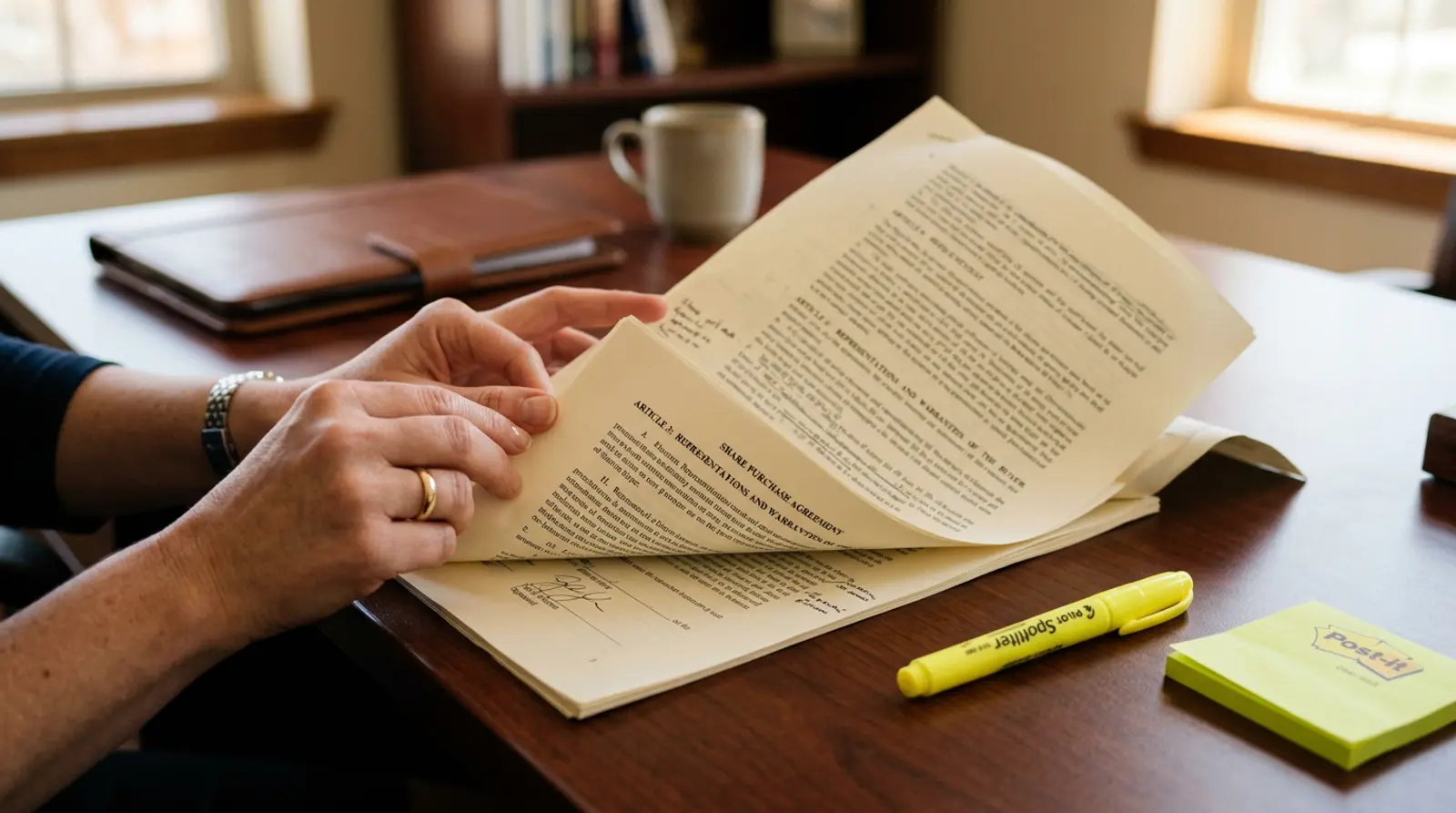
Section 32 Vendor Statement: Your Complete Guide
Understand what a Section 32 vendor statement contains, why it matters, and what to look for before you buy or sell property in Victoria.
What Is a Section 32 Vendor Statement?
A Section 32 vendor statement is a legal disclosure document required under the Sale of Land Act 1962 (Vic). It must be provided by the seller to the buyer before a contract of sale is signed. The document discloses important information about the property that may affect a buyer's decision to purchase.
The name comes from Section 32 of the Act, which sets out the vendor's obligation to provide this disclosure. Without a valid Section 32, a buyer may have the right to rescind the contract — making it one of the most critical documents in any Victorian property transaction.
What Must Be Disclosed in a Section 32
A Section 32 vendor statement must include comprehensive information about the property. The key disclosure categories are:
Title Information
The vendor must disclose details of the certificate of title, including the volume and folio reference, the registered proprietor, and any encumbrances registered on the title.
This includes mortgages, caveats, easements, restrictive covenants, and any other interests that affect the land.
Planning Information
The statement must identify the planning zone under the relevant planning scheme and disclose any overlays that apply to the land.
Planning overlays can restrict development, impose heritage controls, or identify flood, bushfire, or environmental risks. This information directly affects what a buyer can and cannot do with the property in the future.
Building Permits and Occupancy
Any building permits issued for the property within the last seven years must be disclosed, along with whether an occupancy permit or certificate of final inspection was issued. If works were completed without proper permits or sign-off, this is a significant red flag for buyers.
Owners Corporation Details
If the property is part of an owners corporation (common with apartments, townhouses, and some subdivisions), the vendor must provide the owners corporation certificate.
This details annual fees, any outstanding levies, the financial health of the fund, rules and by-laws, and any upcoming special levies for major works.
Outgoings
The vendor must disclose any outgoings that affect the property, including council rates, water rates, land tax, and owners corporation fees. This helps buyers understand the ongoing costs of owning the property.
Services Connected
The Section 32 should disclose which services are connected to the property, such as electricity, gas, water, sewerage, and telecommunications. In regional areas, details about septic systems, water tanks, or bore water may also be relevant.
Owner-Builder Work
If any building work was carried out by an owner-builder (rather than a registered builder) within the last six years and the work was valued over a certain threshold, the vendor must disclose this.
Owner-builder work may lack the warranty protections that come with registered builder work, which is an important consideration for buyers.
Need a Section 32 Reviewed?
Our experienced conveyancers review Section 32 vendor statements every day. Get professional advice before you sign.
Request a ReviewCommon Pitfalls With Section 32 Statements
While Section 32 statements follow a standard format, there are several common issues that can catch buyers and sellers off guard:
- Undisclosed easements: An easement can affect where you can build or what you can do with the land. If the seller fails to disclose a registered easement, the buyer may be entitled to rescind.
- Missing or expired building permits: Works completed without permits or sign-off can result in council orders, remediation costs, or insurance complications for the new owner.
- Incomplete owners corporation information: Failing to obtain the full owners corporation certificate can hide significant upcoming levies or financial problems within the body corporate.
- Planning overlay omissions: Heritage overlays, vegetation protection overlays, or flood overlays can severely restrict what a buyer can do with a property. These must be disclosed.
- Outstanding notices or orders: Any notices issued by council, a water authority, or other government body that affect the property must be disclosed. Missing these can leave a buyer inheriting someone else's compliance problems.
Section 32 for Buyers vs Sellers
For Buyers
As a buyer, the Section 32 is your primary source of information about the property's legal status. Before you sign a contract — and especially before you bid at auction — you should have it reviewed by a qualified conveyancer.
A thorough review will identify any risks, restrictions, or anomalies that could affect your purchase. Remember, once the hammer falls at auction there is no cooling-off period, so pre-auction review is essential.
For Sellers
As a seller, the Section 32 is your legal obligation and your protection. A properly prepared Section 32 reduces the risk of the buyer rescinding the contract after signing.
Engage your conveyancer early — ideally as soon as you decide to sell — so that all certificates and searches can be obtained before the property is listed. A delayed or deficient Section 32 can hold up a campaign and cost you money.
When to Get Professional Help
We strongly recommend involving a conveyancer at the earliest possible stage — whether you are buying or selling.
Sellers should engage a conveyancer before listing the property. Your conveyancer will prepare the Section 32, obtain all required certificates, and ensure the document complies with the Sale of Land Act. This avoids delays and reduces the risk of a buyer rescinding after signing.
Buyers should have the Section 32 and contract reviewed before signing or bidding at auction. A conveyancer will identify any red flags, explain the implications of encumbrances or overlays, and advise whether the property's legal status aligns with your intended use.
Getting professional advice costs a fraction of what it could cost you to deal with a problem after contracts are exchanged.
Section 32 Frequently Asked Questions
If a Section 32 vendor statement contains material errors or omissions, the buyer may have the right to rescind (cancel) the contract. Under the Sale of Land Act 1962, the vendor is required to disclose specific information accurately. If key details are missing or incorrect — such as undisclosed easements, planning overlays, or outstanding notices — the buyer can void the contract and recover their deposit. This is why it is critical for sellers to have their Section 32 prepared by a qualified conveyancer.
The vendor (seller) is legally responsible for preparing and providing the Section 32 vendor statement to the buyer before the contract of sale is signed. In practice, the vendor engages a conveyancer or solicitor to prepare it. The conveyancer obtains the necessary certificates from council, water authorities, and other bodies, and compiles the disclosure document to ensure all legal requirements are met.
Yes. If a buyer discovers that the Section 32 contains a material deficiency or fails to disclose required information, they may have grounds to rescind the contract under the Sale of Land Act. Common grounds include failure to disclose an easement, incorrect zoning information, undisclosed building orders, or missing owners corporation details. Buyers should have the Section 32 reviewed by a conveyancer before signing to identify any issues early.
The Section 32 must be available to prospective buyers before they sign a contract or bid at auction. There is no specific statutory timeframe for making it available before auction day, but it is standard practice for the selling agent to provide it during the campaign — typically when the property is listed. Buyers should request and review the Section 32 well in advance of auction day, as there is no cooling-off period for auction purchases.
A Section 32 must disclose any building permits issued in the last seven years and whether an occupancy permit was issued for those works. It must also disclose any building orders or notices affecting the property. However, it does not provide a building condition report or guarantee the structural integrity of the property. Buyers should arrange independent building and pest inspections in addition to reviewing the Section 32.
Ready to Make Your Property Move?
Don't leave your property transaction to chance. Get the expert guidance you deserve from Melbourne's most trusted conveyancers.
Get Your Free Quote
Fill out the form below and we'll be in touch shortly.